
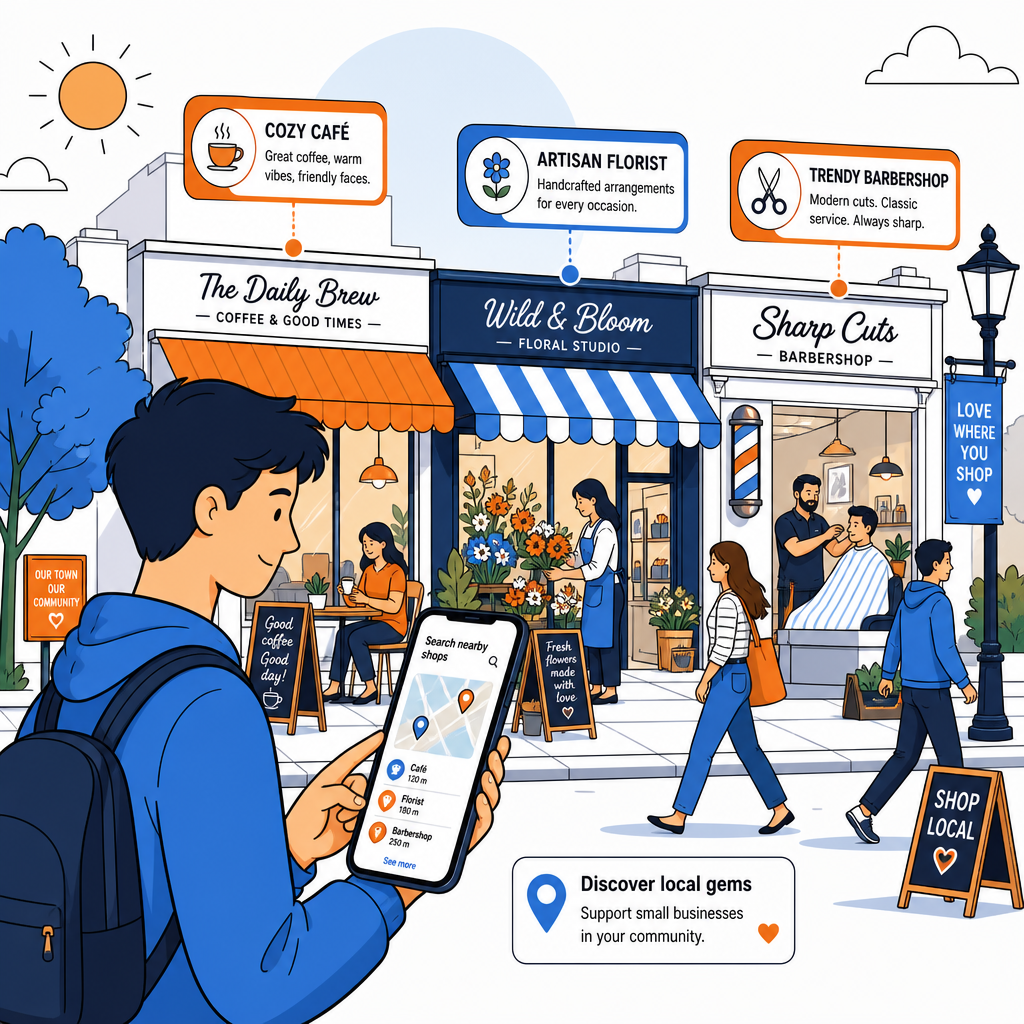
How the Sexiest SEO in the World Writes a Title Tag sounds like a strange question for a local business owner. It is also a useful one. A title tag has a small space to work with, yet it can tell Google what a page offers and give someone a reason to click. For a café, barber, florist or independent shop on the High Street, that little line can help turn a nearby search into a visit.
Title tags appear in search results as the blue link people select. They often appear in browser tabs as well. Google may adjust the wording when it thinks another part of the page fits the search better, so your chosen title is a strong suggestion rather than a permanent label. It still deserves care. A vague title wastes one of the clearest local SEO signals on the page.
What makes a title tag work for a High Street business?
A good title tag tells people what the business offers, where it serves customers and what page they are about to visit. It should sound like a normal description rather than a string of search terms. Someone looking for a hairdresser in York wants quick reassurance that the result is relevant. A title such as “Hairdresser in York | Cuts and Colour | Bloom Hair” gives that person useful information at a glance.
The business name has a place in the title, especially when people already know it. The location matters when the business depends on local visits. A service term gives Google and the searcher a clear subject. The order can change depending on the page and the brand. A well-known shop may lead with its name, while a newer independent business may gain more from leading with the service.
- The main service or product, such as “Independent Optician” or “Fresh Bread”.
- The town, neighbourhood or area served by the business.
- The business name, where it adds recognition or trust.
- A useful detail about the page, such as “Book Online”, “Same-Day Repairs” or “Sunday Opening”.
Example: “Bike Repairs in Bristol | Riverside Cycles”. Keep the wording natural and shape it around the page rather than forcing every possible keyword into one line.
How the Sexiest SEO in the World Writes a Title Tag
The sexiest SEO title tag is rarely flashy. It has rhythm, a clear promise and just enough local detail. Picture a person standing outside a railway station, searching on a phone for somewhere to buy a birthday card. They scan several results. “Card Shop in Harrogate | Willow & Ink” feels direct. “Best Cards Gifts Stationery Harrogate Cheap Local Shop” feels like the page has been assembled for an algorithm.
Start with the phrase that best describes the page. A homepage might use the business category. A service page can focus on the service itself. A product category page should describe the products people find there. This keeps each title useful and gives important pages their own place in search.
Then add the location customers use. A town name usually works well. A neighbourhood can help in larger places, especially when customers search with terms such as “near Clifton” or “in Northern Quarter”. The business address, Google Business Profile and website should all support the same local details. Small differences in spelling can create a slightly untidy picture.
Finish with the brand where it fits. Ampersands, pipes and full stops are fine as separators when they keep the title easy to read. Search engines can understand them. People can scan them quickly. The main test is simple: would a customer understand the page from the title alone?
Title tag examples for local businesses
Different businesses need different emphases. A florist may want seasonal intent. A plumber may need an urgent service phrase. A restaurant might gain more from its food style and location. The title should match the reason people visit the page, which often changes from one business type to another.
| Business | Page | Possible title tag |
|---|---|---|
| Barber | Homepage | Barber in Leeds | Cuts and Beard Trims | North Street Barbers |
| Florist | Delivery page | Flower Delivery in Bath | Same-Day Bouquets | Petal House |
| Café | Menu page | Brunch Menu in Cambridge | The Copper Kettle |
| Shoe shop | Services page | Shoe Repairs in Exeter | Soles & Stitches |
These examples are specific without trying to explain the whole business. The page content can handle opening hours, parking information, pricing, appointment details and the story behind the shop. A title tag only needs to earn the click and set an accurate expectation.
Length, keywords and readability
People often talk about a perfect character limit for title tags. Search results are displayed by pixel width, which means a fixed number can be misleading. Around 50 to 60 characters is a useful working range for many titles, though brand names and longer place names can change the shape. Check the title in a preview tool and read it aloud.
Use the main phrase once in a natural way. Repeating “plumber Bristol” several times makes the title look careless and gives the customer less information. Search engines have become better at understanding related wording, so “emergency boiler repair in Bristol” can sit comfortably beside a page about boiler engineers and heating repairs.
A page title that gets cut off may still perform well, especially when the important information comes first. Put the service and location near the beginning when those details matter most. Brand-led titles can place the business name first if local customers search for it by name. There is room for judgement here, and that is part of the job.
Common title tag mistakes on small business websites
Many local websites use the same title on every page. It often says only the business name or “Home”. Visitors may know where they are after clicking, yet search engines and new customers receive very little context. Each important page deserves wording that describes its own purpose.
- Using “Home” as the homepage title instead of describing the business and its location.
- Adding a long list of towns the business barely serves.
- Promising a service that the page does not explain.
- Writing a title for Google while leaving the customer out of the sentence.
- Forgetting to update seasonal wording, old offers or changed opening arrangements.
- Copying the same title across service pages, location pages and contact pages.
A quick review every few months catches many of these problems. Look at the pages that matter commercially, then compare the title with the page heading, the Google Business Profile and the wording customers use in reviews. A small change can make the result clearer. Sometimes the best improvement is simply removing an old phrase.
How title tags fit into local SEO
Title tags help search engines understand pages, but local visibility comes from a wider set of signals. Your business name, address and phone number should be consistent across the site and important directories. A complete Google Business Profile gives customers practical information. Reviews add language that often mirrors the way local people describe your service.
The page itself needs substance. Include the services you provide, the areas you cover and details that help someone decide to contact you. Add directions, parking guidance or collection information when those things affect a visit. A title can attract attention, while the page answers the questions that follow.
Track performance through Google Search Console and your analytics platform. Watch impressions, clicks and the search terms attached to important pages. A title with many impressions and few clicks may need a clearer offer or a more useful location reference. Give changes time to settle, since search results move around for plenty of reasons.
Search the service from your town, read your result as if you had never heard of the business, and ask whether the title explains the page. Check the spelling of the place name. Then look at the page on a mobile screen.
The final edit before publishing
Write the first version quickly, then trim it. Keep the phrase customers care about. Remove words that add little meaning. Read it beside the other results on the page because context changes how a title feels. A local business has a chance to sound familiar and useful in a crowded list, which is often more persuasive than polished marketing language.
The best title tag gives a person enough confidence to take the next step. It names the service, places the business on the map and leaves room for the brand. That is how How the Sexiest SEO in the World Writes a Title Tag becomes useful for a real High Street business: with clear words, local relevance and a reason to click.