
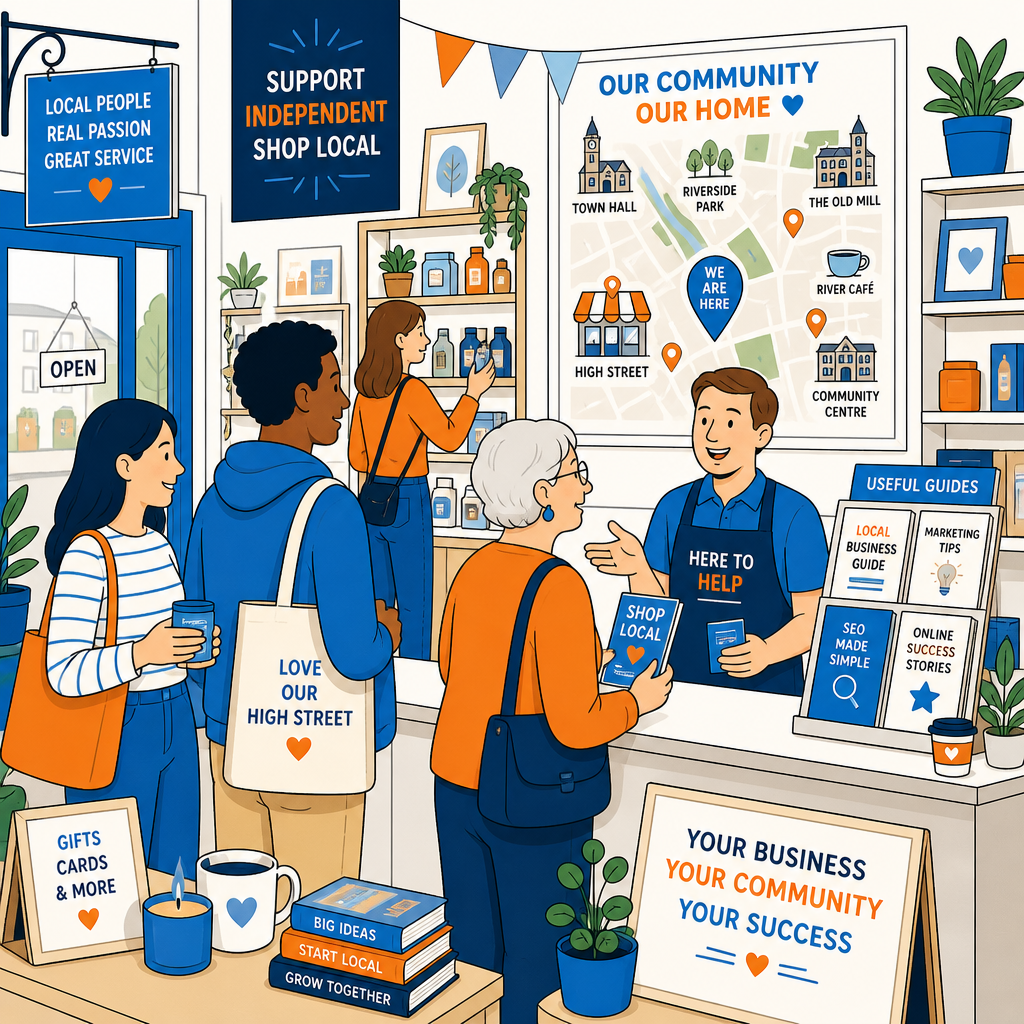
Sexiest SEO in the World: 30-Article Test Results sounds like a bold title for a local search experiment, although the work behind it was fairly practical. The test looked at how a small High Street business could use thirty useful articles to attract nearby customers, earn more visibility in Google, and support the rest of its local SEO activity. For an independent shop, salon, café, studio, or service business, that matters. A strong article can answer a question, bring someone through the door, and keep working after the morning rush has passed.
What the 30-article test looked at
The test centred on a simple publishing plan. Thirty articles were created around questions and services connected to one local business. Each article had a clear subject, a relevant town or neighbourhood reference, useful internal links, and a gentle next step for the reader. Some pieces targeted people ready to buy. Others answered small questions that often appear before a visit, such as parking, booking times, product care, accessibility, and prices.
This kind of campaign takes patience. A shop owner may publish an article on a Tuesday and see very little activity for several weeks. Then a customer mentions finding the business through a search about a specific service. That is often how local content works. The result arrives in small moments, spread across calls, directions requests, contact form submissions, and visits that are hard to attribute precisely.
The strongest pages connected a customer question with a practical business detail, such as a service area, appointment option, collection point, or product category.
Why content helps a High Street business
Local SEO often gets reduced to a Google Business Profile, a few directory listings, and a request for more reviews. Those pieces matter, and they need regular attention. Content gives Google more context about the business. It also gives customers a reason to spend time on the website before they make contact.
A florist might publish a guide to choosing flowers for a winter wedding in Leeds. A bicycle shop could explain how to prepare a bike for commuting around Bristol. A small kitchen showroom might write about planning a compact kitchen in a Victorian terrace. These subjects feel close to everyday life. They also give the business room to show its experience without turning every page into an advert.
The useful detail tends to sit in the middle. Readers want practical help, while Google needs clear information about relevance and location. Mentioning a town once in a title rarely carries an article. Local signals work better when they appear naturally through examples, delivery areas, nearby landmarks, appointment details, and genuine knowledge of the area.
The subjects that performed best
The test showed a useful spread of article types. Pages aimed at immediate buyers often produced the quickest enquiries. Informational guides took longer to gain visits, although they built a wider pool of search traffic. A few articles attracted very modest numbers while still helping the site appear for related phrases.
- Service explainers that describe what happens during an appointment or visit.
- Local guides linked to genuine customer needs, such as parking, access, delivery, and opening times.
- Buying guides that help people choose between products, sizes, materials, or service options.
- Seasonal articles connected to events, school holidays, weather, and local shopping habits.
- Answers to questions staff hear repeatedly in the shop or over the telephone.
The best ideas usually came from conversations already happening inside the business. Staff members hear the same concerns repeatedly. Customers ask how long a repair takes, whether a dog can enter the shop, which fabric suits a busy home, or how far delivery reaches. Those questions make strong article topics because they already have an audience.
| Article type | Customer stage | Useful local detail |
|---|---|---|
| Service guide | Ready to enquire | Booking process and service area |
| Buying guide | Comparing options | Local stock, collection, or advice |
| Local advice | Early research | Neighbourhood examples and access information |
What changed after thirty articles
The clearest change was breadth. The website began appearing for a wider range of searches, including phrases with specific services, questions, and locations. Some pages reached the first page of results. Others stayed lower down but helped search engines understand the wider subject area.
That wider visibility supported the main commercial pages. A person reading a guide about wedding flowers could move to the wedding service page. Someone researching bike maintenance could follow a link to repairs or book a workshop slot. Internal links helped visitors move around the site in a way that felt useful rather than forced.
The test also brought a small lesson about measurement. Website visits alone give an incomplete picture. A local business should watch several signals over time, including calls, direction requests, branded searches, enquiry quality, page engagement, and mentions from customers. Some visitors will read an article on a mobile phone, visit the shop later, and never complete a trackable online action.
How to build a local SEO article plan
Start with the business rather than a keyword tool. Write down the services that make the best margin, the products people ask about, and the places customers travel from. Add the questions staff answer most often. This creates a pool of subjects with a clear connection to revenue and daily work.
From there, group ideas into small themes. A hair salon might cover cuts, colour, consultations, and aftercare. A café could write about private hire, dietary requirements, takeaway orders, and nearby walks. Each theme can support several articles and a central service page.
- Choose one customer question for each article.
- Add a clear local reason for the business to appear in the answer.
- Link to the relevant service, product, booking, or contact page.
- Use photographs, staff knowledge, and examples from the shop floor.
- Review older articles when opening hours, prices, services, or locations change.
A realistic publishing schedule matters more than a burst of activity. One article each week gives a small business time to gather examples, check facts, add photographs, and share the page through its existing channels. Thirty articles can take seven months at that pace. That sounds slow when the plan begins, then the archive starts doing useful work in the background.
The role of reviews and Google Business Profile
Articles work alongside the parts of local SEO people see first. Keep the Google Business Profile accurate, especially the category, opening hours, telephone number, website link, services, and photographs. Add updates when something useful changes. A new product range, a late opening, or a seasonal service gives people a reason to look again.
Reviews add another layer of trust. Ask customers at a natural point in the conversation and make the process easy. A review that mentions a service, neighbourhood, or helpful member of staff gives future customers useful context. Replies should sound like the business, with a human detail where it fits.
The article test worked best when content, reviews, and business profile information supported the same picture. Searchers could find a relevant page, confirm practical details, read recent experiences, and decide whether the business suited them. Every part had a small job.
What small businesses should take from the results
The phrase Sexiest SEO in the World: 30-Article Test Results is playful, yet the finding is grounded in ordinary work. Local search improves when a business explains what it does in language customers use. Thirty articles will not create instant authority. They can build a useful body of evidence around the business, especially when each page answers a real question and points people towards a visit.
A High Street business has material that larger brands often struggle to copy. Staff know the area. They remember the questions customers ask. They have stories about products, repairs, events, and the people who come through the door. Those details can shape articles with a local feel, and perhaps that is where the most appealing part of SEO sits.
The Sexiest SEO in the World: 30-Article Test Results points towards a steady habit: publish useful local answers, keep the business information current, connect pages thoughtfully, and give the campaign time to mature. For a small High Street business, that approach can turn a quiet website into a helpful part of the customer journey.