
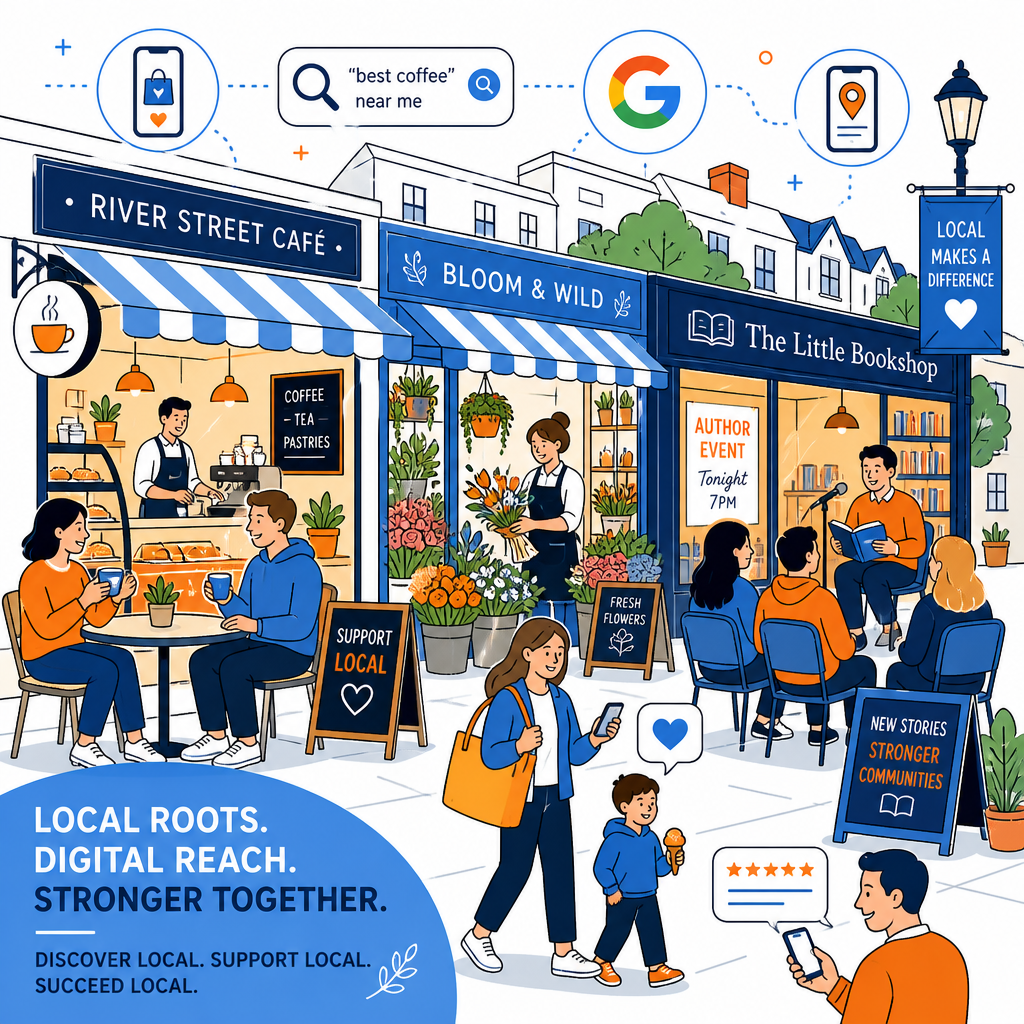
Sexiest SEO in the World: Unpopular Opinions on Backlinks sounds like a title designed to start an argument over coffee. That is probably useful. Small High Street businesses are often told that backlinks hold the secret to online success, while the more immediate work sits in Google Business Profile, customer reviews, local pages and accurate opening hours. A link from a famous website can feel exciting. A customer searching for a café in York at 10.30 on a Saturday morning is usually more interested in whether you are open.
Sexiest SEO in the World: Unpopular Opinions on Backlinks
Backlinks are links from another website to yours. Search engines use them as one clue about reputation and relevance. They can help, especially when they come from a trusted local publication, a respected trade body or a useful community website. Their appeal comes from being easy to talk about. You can count them, track new ones and display a graph that rises slowly across the screen.
For a small shop, though, backlinks often become a distraction. A business might spend weeks chasing links from sites with little connection to its area, while its Google profile still shows the wrong phone number. That misplaced effort costs more than a weak ranking. It can send people to an empty shopfront, an old menu or a page that loads badly on a mobile.
The strongest local link usually has a reason to exist. A florist sponsoring a school event may earn a mention on the school website. A bookshop hosting an author evening may appear on the author’s event page. A bicycle repair shop might be listed by a local cycling club. These links carry context. They tell a small story about where the business fits.
A useful local SEO test
Ask this question before chasing a link: would a nearby customer trust this website, visit it or recognise its name? If the answer is yes, the link has a job. If it only exists to increase a number in a report, its value may be thin.
What matters more for a High Street business?
Local SEO works through several small signals that meet at the right moment. Someone searches for “tailor near me”, scans a few results, checks the photos and reads recent reviews. They may tap for directions. That whole journey can happen in less than a minute, so the basics deserve care.
- A complete Google Business Profile with the right category, address, phone number and opening hours.
- Recent photographs that show the entrance, inside space, products and staff where appropriate.
- A clear website page for each important service or location, written in ordinary language.
- Reviews that mention real details, such as a helpful fitting, quick repair or accessible entrance.
- Consistent business information across directories, local organisations and social profiles.
- Pages that work comfortably on a mobile phone and make the next step obvious.
These tasks lack some of the glamour attached to link building. They also sit close to the customer. A person choosing a hairdresser may care about the atmosphere, price range, parking and availability. A person looking for a solicitor may want to see specialisms, contact details and reassurance that the office serves their part of town. Search visibility grows from meeting those questions with useful information.
Backlinks should come from the business itself
The best link opportunities often appear when a business does something worth mentioning. This can feel slower than sending a batch of outreach emails, and it usually is. It creates a healthier connection with the local area, though, which matters for a High Street business that sees the same people each week.
Consider a small restaurant that publishes a seasonal guide to local produce. A theatre could link to it. A food blogger could mention it. The council’s town-centre page might include it in a local food feature. The restaurant has created a useful resource, and the links have a natural reason behind them.
A similar approach works across different sectors. A clothing shop can publish a guide to alterations before wedding season. An optician can explain what to expect from an eye test. A hardware shop can create a short local gardening calendar. The content does not need to become a large campaign. One helpful page, shared in the right places, can attract more attention than ten generic articles.
| Link source | Why it helps | A realistic route |
|---|---|---|
| Local newspaper | Strong local relevance and public trust | Share a useful event, story or community project |
| Trade association | Adds professional context | Keep your membership profile complete |
| Local community group | Connects the business with nearby people | Support an event, workshop or fundraiser |
| Partner business | Introduces a relevant audience | Create a genuine referral or joint guide |
The awkward truth about buying links
Paid link packages are tempting because they promise speed. Many deliver a spreadsheet full of domains, with little explanation of who reads them or why they relate to your shop. Some sites have been built mainly to sell links. Their pages feel empty, the topics wander and the audience is hard to identify.
Search engines may ignore those links. A business owner may spend money for a temporary lift in a report, then face a messy clean-up later. The bigger concern sits with reputation. A strange website linking to a local accountancy firm can make the firm look careless, especially when the page is filled with unrelated businesses.
Ask an SEO provider for examples. Look at the pages, the audience and the reason your business would belong there. Ask how the links were earned. Ask what the work will change for a customer in Leeds, Bristol or Dundee. Clear answers matter more than impressive monthly totals.
Local reviews have a quiet power
Reviews are part of local search, even though they are often treated as a customer service task. People read them before they visit. Google also uses review activity and the words customers choose as part of its understanding of a business. A review that mentions a children’s shoe fitting or a same-day key cutting service gives useful detail.
Make asking for reviews part of a normal interaction. A receipt can include a short prompt. Staff can mention it after a successful appointment. An email can arrive a day later, while the experience remains fresh. Replies deserve attention too. A brief, specific response shows that someone is present behind the profile.
Reviews will vary. A perfect stream can look unusual, and customers tend to trust detail more than polished praise. Give people a simple opportunity to share what happened in their own words.
A practical 30-day local SEO plan
Small businesses often have limited time, so a short plan helps. Spend the first week checking the Google Business Profile from a customer’s point of view. Confirm the map pin, categories, services, booking links, accessibility details and seasonal hours. Upload a few recent photographs.
During the second week, review the website. Each main service should have a page that explains what happens, who it suits, where the business is located and how to make contact. Mention nearby areas when it helps people understand your service area. Keep the wording natural. Repeating a town name every other sentence makes a page tiring to read.
Use the third week for citations and relationships. Check directories such as Yell, industry listings, local chambers and relevant community websites. Remove old details where possible. Contact two or three organisations that already have a genuine connection with the business.
The final week can focus on measurement. Track calls, direction requests, website visits and enquiries. Look at which searches bring people to the site. Link numbers to real business outcomes where you can. A quieter month may still contain valuable progress if more people discover the shop and return later.
Week 1
Clean up your Google Business Profile and add current photos.
Week 2
Improve service pages, contact details and mobile usability.
Week 3
Check listings and build a few useful local relationships.
Week 4
Review calls, visits, enquiries and the searches bringing people in.
The conclusion on Sexiest SEO in the World: Unpopular Opinions on Backlinks
Sexiest SEO in the World: Unpopular Opinions on Backlinks works as a provocation because backlinks are easy to idolise. For a small High Street business, the more valuable work often feels ordinary: accurate information, useful pages, recent photographs, thoughtful reviews and local relationships that make sense. Earn links through things people care about. Keep the customer close to every SEO decision. That approach may look less dramatic in a report, although it has a better chance of bringing someone through the door.